What Does a Bowing Ceiling Look Like? Recognizing the Signs
Before diving into the causes and solutions, it’s important to accurately identify what a bowing ceiling looks like. A slight wave or imperfection might just be poor drywall finishing, but a true bow or sag indicates a more serious issue. Here are the key visual cues to look for:
- Visible Dip or Curve: The most obvious sign is a noticeable downward curve or dip in the ceiling plane, often more apparent when viewed from an angle or by holding a straight edge (like a level or long ruler) against it.
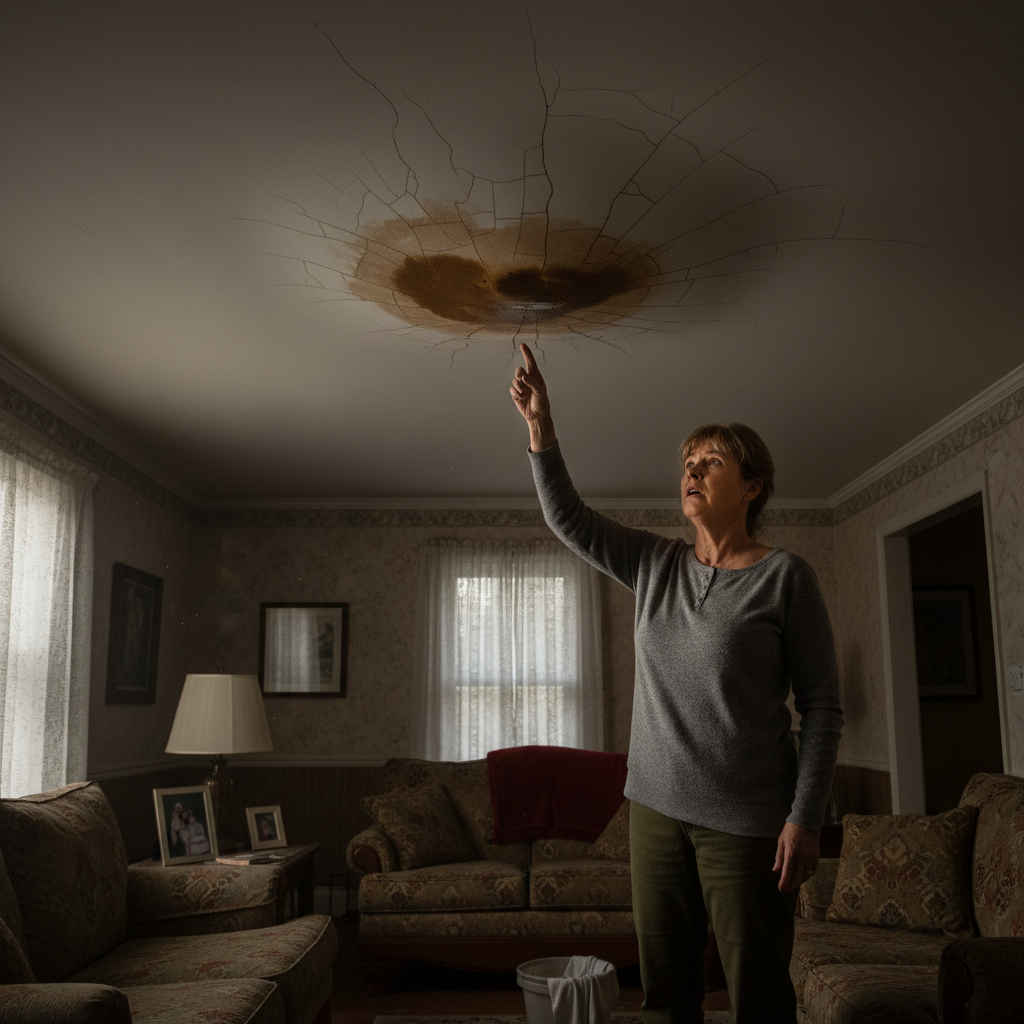
- Cracks: Cracks often accompany a bowing ceiling. These can be hairline cracks following drywall seams, or more severe, irregular cracks radiating from the center of the sag. Plaster ceilings might show spiderweb cracks.
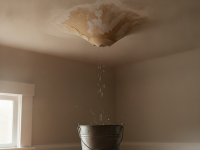
- Water Stains or Discoloration: If water damage is the cause, you’ll likely see yellow, brown, or even dark water stains on the ceiling surface, possibly accompanied by bubbling or peeling paint.
- Loose Drywall Tape or Joints: The tape covering drywall seams might begin to peel, ripple, or become visible as the ceiling sags.
- Bulging or Blistering: In areas with significant moisture or structural stress, the ceiling material might bulge outwards or develop blisters in the paint or plaster.
- Distorted Light Fixtures: Recessed lighting or ceiling-mounted fixtures might appear crooked or uneven as the surrounding ceiling material shifts.
- Squeaking or Creaking Sounds: While not always visible, unusual sounds coming from above, especially when someone walks on the floor above, can indicate movement in the joists or subfloor, which could contribute to a sagging ceiling.
It’s vital to differentiate a cosmetic flaw from a genuine structural problem. When in doubt, it’s always best to consult with a qualified professional to get an accurate assessment.
Common Causes of a Ceiling Bowing Downward
A ceiling that is bowing downward is a symptom, not a cause. Pinpointing the root issue is the first critical step toward effective repair. Here are the most common culprits:
1. Water Damage
Water is one of the most destructive forces for a home’s interior, and it’s a leading cause of sagging ceilings. Whether it’s a slow, persistent leak or a sudden deluge, water saturates drywall or plaster, making it heavy and weak. Over time, the material loses its structural integrity and begins to droop. Potential sources of water damage include:
- Leaky Roof: Missing shingles, damaged flashing, or an old roof can allow rainwater to seep into the attic and eventually down to the ceiling.
- Plumbing Leaks: A leaky pipe in an upstairs bathroom, kitchen, or laundry room can drip steadily onto the ceiling below. Even small, undetected leaks can cause significant damage over months.
- HVAC Condensation: Air conditioning units or their drainage lines in the attic can leak condensation, saturating the ceiling materials.
- Overflowing Bathtubs or Sinks: Accidents involving overflowing water from an upper floor can quickly compromise the ceiling below.
Water stains are usually a clear indicator of this problem, but sometimes the water might be trapped within the ceiling cavity without visible external signs until the bowing becomes severe.
2. Structural Issues
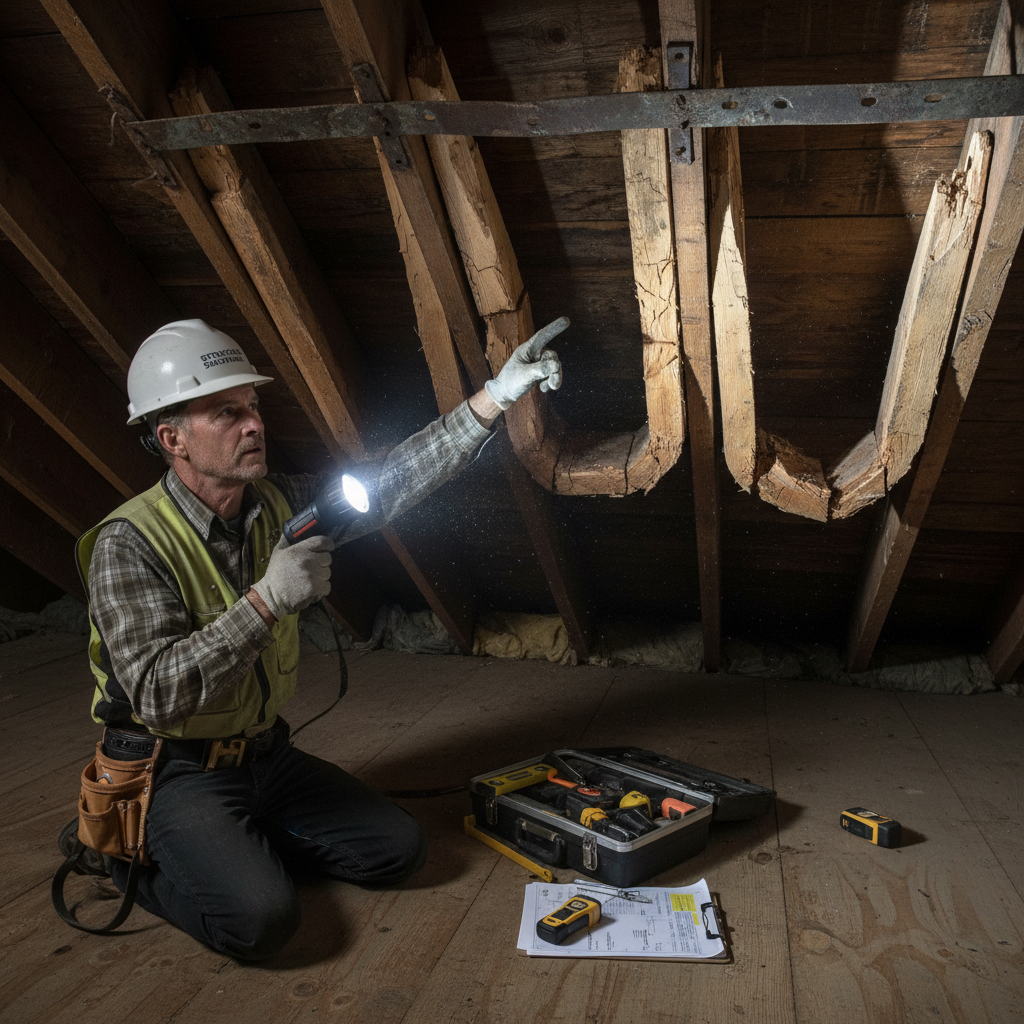
This is arguably the most serious cause of a bowing ceiling. Problems with the underlying support structure can lead to significant and dangerous sagging:
- Weakened or Damaged Joists: Ceiling joists are the horizontal framing members that support the ceiling material. If these joists are undersized for the span, have been cut or modified incorrectly (e.g., for recessed lighting or ductwork), or have deteriorated due to age, rot, or pests, they can weaken and deflect.
- Overloading Above: The space above your ceiling (often an attic or an upper floor) might be holding too much weight. This is common in attics used for storage. Heavy items like boxes, old furniture, or even new flooring materials installed on the upper floor without proper structural assessment can put excessive stress on the ceiling joists, causing them to bow.
- Foundation Problems: While less direct, severe foundation issues can lead to shifting and settling throughout the entire house structure. This movement can put stress on framing members, including ceiling joists, potentially causing them to sag.
- Improper Construction/Renovations: If a home was built with insufficient framing, or if previous renovations removed load-bearing walls or supports without adequate replacement, it could lead to widespread structural weaknesses, including bowing ceilings.
3. Improper Installation
Sometimes, the problem isn’t due to external forces but rather how the ceiling itself was installed:
- Insufficient Fasteners: Drywall sheets are typically screwed into ceiling joists. If too few screws were used, or if they weren’t long enough or properly anchored, gravity can gradually pull the drywall away from the joists, causing it to sag.
- Incorrect Adhesive: While not always used, construction adhesive can provide extra hold for drywall. If it wasn’t applied correctly or if the wrong type was used, it might fail over time.
- Heavy Finishing Materials: Applying multiple layers of heavy plaster, textured finishes, or thick paint can add significant weight to drywall or a lath and plaster system that wasn’t designed to support it, leading to a sag.
4. High Humidity and Poor Ventilation
In homes with persistently high humidity levels, especially without adequate ventilation, ceiling materials can absorb moisture from the air. This is particularly true in bathrooms, kitchens, and basements. Over time, this absorbed moisture can weaken drywall or plaster, causing it to soften and sag. Poor attic ventilation can also lead to moisture buildup and wood rot in the joists, contributing to structural weakening.
5. Termite or Pest Infestation
Termites, carpenter ants, and other wood-boring pests can tunnel through and eat away at wooden ceiling joists and framing, significantly weakening them. As the structural integrity of the wood is compromised, the ceiling above will begin to sag or bow. Signs of a pest infestation might include discarded wings, frass (sawdust-like droppings), mud tubes (for termites), or visible tunnels in exposed wood.
6. Age and Wear
Older homes, particularly those with lath and plaster ceilings, are more susceptible to sagging simply due to age and the natural settling of the house. Over decades, gravity, minor water exposures, and the gradual degradation of materials can cause ceilings to lose their rigidity and begin to bow. Plaster can become brittle, and the keys (the method by which plaster adheres to lath) can break.
The Dangers of a Sagging Ceiling
A ceiling bowing downward is far more than an aesthetic nuisance; it represents a significant safety hazard and can indicate serious problems within your home’s structure. Ignoring it can lead to severe consequences:
- Risk of Collapse: The most immediate and terrifying danger is a partial or complete ceiling collapse. This can cause severe injuries to anyone below, from falling debris, drywall, plaster, and insulation. The heavier the ceiling material and the more extensive the sag, the higher the risk of sudden failure.
- Compromised Structural Integrity: A bowing ceiling often points to deeper issues with the structural framework of your home. If joists are weakened or deflecting, it means the support system for the floor above is compromised. This can affect the stability of upper floors, walls, and even the roof, potentially leading to more widespread structural failure over time.
- Health Hazards: If the bowing is due to water damage, mold and mildew are almost inevitable. These fungi thrive in damp environments and can spread quickly, releasing spores into the air that can trigger allergies, asthma attacks, and other respiratory problems for occupants.
- Electrical Hazards: A sagging ceiling can pull on or damage electrical wiring running through the ceiling cavity. This could expose live wires, create fire hazards, or lead to power outages.
- Pest Infestation: If pests are the cause, they are actively damaging your home’s structure and can spread to other areas, creating a larger infestation problem.
- Reduced Property Value: A visible sagging ceiling is a major red flag for potential buyers and will significantly reduce your property’s market value. It indicates neglect and potentially costly repairs, making your home much harder to sell.
Due to these inherent dangers, a bowing ceiling should never be ignored. Prompt investigation and repair are essential for the safety of your home and its inhabitants.
Initial Steps When You Notice a Bowing Ceiling
If you’ve spotted a sag in your ceiling, don’t panic, but do act quickly and methodically:
- Clear the Area: Immediately move furniture, valuable items, and people away from the affected area. This is crucial for safety in case of a sudden collapse.
- Identify the Source (If Possible and Safe):
- Look for Water: Are there water stains? Is there an upstairs bathroom or appliance directly above? Check the attic (if safe to enter) for signs of leaks from the roof or pipes. If you find a leak, try to stop the water flow immediately (e.g., turn off the main water supply, place buckets to catch drips).
- Check for Overloading: Is there heavy storage in the attic directly above the sag? Can you safely remove some items?
- Listen for Pests: Are there any scratching or gnawing sounds?
- Avoid Adding Weight: If the sag is under an upper floor, avoid walking on that section of the floor or placing heavy items there until the cause is identified and addressed.
- Take Photos: Document the damage with photos and videos from different angles. This will be helpful for professionals and insurance claims.
- Contact Professionals: This is the most critical step. For any significant bowing, you will likely need the expertise of several professionals.
For more general advice on when to call a professional for home repairs, resources like Good Housekeeping offer insights into assessing the scope of various home projects.
DIY vs. Professional Help: When to Call the Experts
When it comes to a ceiling bowing downward, the vast majority of cases require professional intervention. This is not a project for the average DIY enthusiast, primarily due to the inherent safety risks and the complex nature of structural repairs.
- When to NEVER DIY:
- Any visible sag or bow.
- Large cracks or multiple cracks.
- Water damage that has soaked through the ceiling material.
- Suspicion of structural damage (e.g., weakened joists).
- Any sign of pest infestation affecting wooden elements.
- If you are unsure of the cause or the extent of the damage.
- Why Professionals Are Essential:
- Safety: Professionals have the knowledge and equipment to safely assess and work on compromised structures, minimizing the risk of collapse during repair.
- Accurate Diagnosis: They can correctly identify the root cause of the bowing, whether it’s a hidden leak, structural deficiency, or pest problem.
- Structural Expertise: A structural engineer can evaluate the load-bearing capacity of your ceiling joists and recommend appropriate reinforcement or replacement.
- Specialized Tools and Techniques: Repairing a bowed ceiling often involves lifting and supporting the existing structure, replacing damaged materials, and ensuring long-term stability. This requires specialized tools and expertise beyond typical homeowner capabilities.
- Code Compliance: Professional repairs ensure that all work meets local building codes, preventing future issues and ensuring your home remains safe and insurable.
Who to Call:
- Structural Engineer: If the bowing is significant, or if you suspect structural damage to joists or the foundation, a structural engineer is the first call. They can provide a professional assessment and detailed repair recommendations.
- General Contractor: Once the cause is known (or if it’s clearly a water damage issue without structural compromise), a reputable general contractor specializing in home repairs can manage the entire repair process, coordinating with other trades as needed.
- Plumber/Roofer: If a water leak is confirmed, a plumber or roofer will be needed to fix the source of the leak before any ceiling repairs can begin.
- Pest Control Specialist: If termites or other wood-boring pests are found, pest control will be necessary to eradicate the infestation and assess the extent of the wood damage.
Repairing a Bowing Ceiling: What to Expect
The repair process will depend entirely on the identified cause and severity of the bowing. Here’s a general overview of what might be involved:
- Address the Root Cause: This is non-negotiable. Whether it’s fixing a leak, removing excess weight from the attic, repairing damaged joists, or eradicating pests, the underlying problem must be resolved first.
- Support the Ceiling: Temporary supports (shoring) will likely be installed to hold the ceiling in place and prevent further sagging or collapse during repairs.
- Assess Damage to Framing: The ceiling material (drywall, plaster) may need to be carefully removed to expose the underlying joists. Damaged or weakened joists might need to be reinforced, sistered (new joists added alongside existing ones), or completely replaced.
- Replace or Repair Ceiling Material:
- Drywall: Heavily water-damaged or severely bowed drywall will need to be cut out and replaced with new sheets. The new drywall will be screwed into the joists, taped, mudded, sanded, and painted.
- Plaster: Repairing plaster is more complex. Small cracks might be patched, but a significant sag often requires removing the damaged section, installing new lath, and applying new layers of plaster. In severe cases, the entire plaster ceiling might need to be replaced, sometimes with new drywall for easier maintenance.
- Mold Remediation: If mold is present due to water damage, professional mold remediation will be necessary before any repairs to the ceiling surface can begin.
- Finishing Touches: After structural and material repairs, the ceiling will be primed and painted to match the existing finish, or the entire room might be repainted for a seamless look.
This process can be messy, time-consuming, and disruptive, but it is essential for restoring the safety and value of your home.
Preventing Future Ceiling Bowing
Once you’ve gone through the process of repairing a bowed ceiling, you’ll want to take steps to ensure it doesn’t happen again. Prevention is always better than cure:
- Regular Home Inspections: Conduct seasonal checks of your roof, attic, and plumbing. Look for leaks, water stains, signs of pests, and any unusual settling. Early detection is key to preventing major damage.
- Maintain Your Roof: Keep your roof in good repair. Replace missing or damaged shingles promptly, clean gutters regularly to prevent water backup, and have your roof inspected by a professional every few years, especially after severe weather.
- Address Plumbing Leaks Immediately: Don’t ignore dripping faucets, running toilets, or damp spots under sinks. Fix them as soon as they appear, as even minor leaks can lead to significant water damage over time.
- Ensure Proper Attic Ventilation: Good attic ventilation prevents moisture buildup and extreme temperature fluctuations, which can damage roofing materials and wooden joists. Ensure soffit and ridge vents are clear and unobstructed.
- Manage Attic Storage Wisely: Do not overload your attic. Only store lightweight items in areas specifically designed for storage, and always be mindful of the weight limit your ceiling joists can safely support. If you plan to finish an attic or add significant weight, consult a structural engineer.
- Monitor Humidity Levels: Use exhaust fans in bathrooms and kitchens, and consider using a dehumidifier in humid climates or damp areas of your home to control indoor moisture levels.
- Pest Control: Be vigilant for signs of termites, carpenter ants, or other wood-boring insects. Regular pest inspections, particularly in older homes or homes in wooded areas, can help catch infestations before they cause extensive structural damage.
- Proper Renovation Practices: If undertaking any renovation that involves modifying load-bearing walls or ceiling joists, always consult with a structural engineer and obtain the necessary permits.
Frequently Asked Questions About Bowing Ceilings
Q: Is a bowing ceiling dangerous?
A: Yes, absolutely. A bowing ceiling indicates a structural compromise or significant damage, which can lead to a partial or complete collapse. This poses a serious risk of injury to occupants and further damage to your property. It should be addressed immediately by professionals.
Q: Can I fix a bowing ceiling myself?
A: For minor, purely cosmetic imperfections, a homeowner might attempt a patch. However, if your ceiling is visibly bowing downward, it is almost always a sign of an underlying structural, water, or pest issue that requires professional diagnosis and repair. Attempting to fix it yourself without addressing the root cause can be dangerous and ineffective.
Q: How much does it cost to repair a bowed ceiling?
A: The cost varies widely depending on the cause, severity, location, and materials involved. Minor water damage might be a few hundred dollars, while extensive structural repairs, pest extermination, and full ceiling replacement could range from several thousand to tens of thousands of dollars. Getting multiple quotes from qualified professionals is recommended.
Q: How do I know if my ceiling is bowing due to a structural issue?
A: Signs like large, persistent cracks, sagging in multiple areas, or a very pronounced dip often indicate structural problems. If you suspect structural damage, the most reliable way to know for sure is to have a professional structural engineer inspect your home. They can assess the integrity of joists, beams, and the foundation.
Q: What kind of professional should I call for a bowing ceiling?
A: Start with a general contractor experienced in home repairs, or directly with a structural engineer if the sag is significant and you suspect structural issues. Depending on the diagnosis, they may then recommend a plumber (for leaks), a roofer (for roof leaks), or a pest control specialist (for infestations).
Conclusion
A ceiling bowing downward is a clear distress signal from your home that should never be ignored. While the initial sight can be unsettling, prompt and informed action is your best defense against escalating damage, safety hazards, and costly future repairs. By understanding the potential causes, recognizing the warning signs, and enlisting the expertise of qualified professionals, you can effectively diagnose and remediate the problem. Investing in regular home maintenance and addressing issues like leaks or excessive attic weight proactively will not only safeguard your family but also preserve the structural integrity and value of your most important asset – your home.