There are few household annoyances quite like a wobbly, loose doorknob. That unsettling wiggle can be a minor irritation, a safety concern, or even a signal of a more significant underlying issue. While it might seem like a small detail, a loose doorknob can make opening and closing a door frustrating, diminish the aesthetic appeal of your home, and in some cases, compromise your security. Fortunately, fixing a loose doorknob is often a straightforward DIY task that requires only a few basic tools and a bit of know-how. This comprehensive guide will walk you through the common reasons why your doorknobs might be feeling less than secure and provide step-by-step instructions on how to tighten them, saving you time, money, and future headaches.
The Annoying Wiggle: Common Causes of Loose Doorknobs
Before you can fix the problem, it’s essential to understand what’s causing your doorknob to feel loose. Several factors can contribute to this common household issue, ranging from simple wear and tear to component failure.
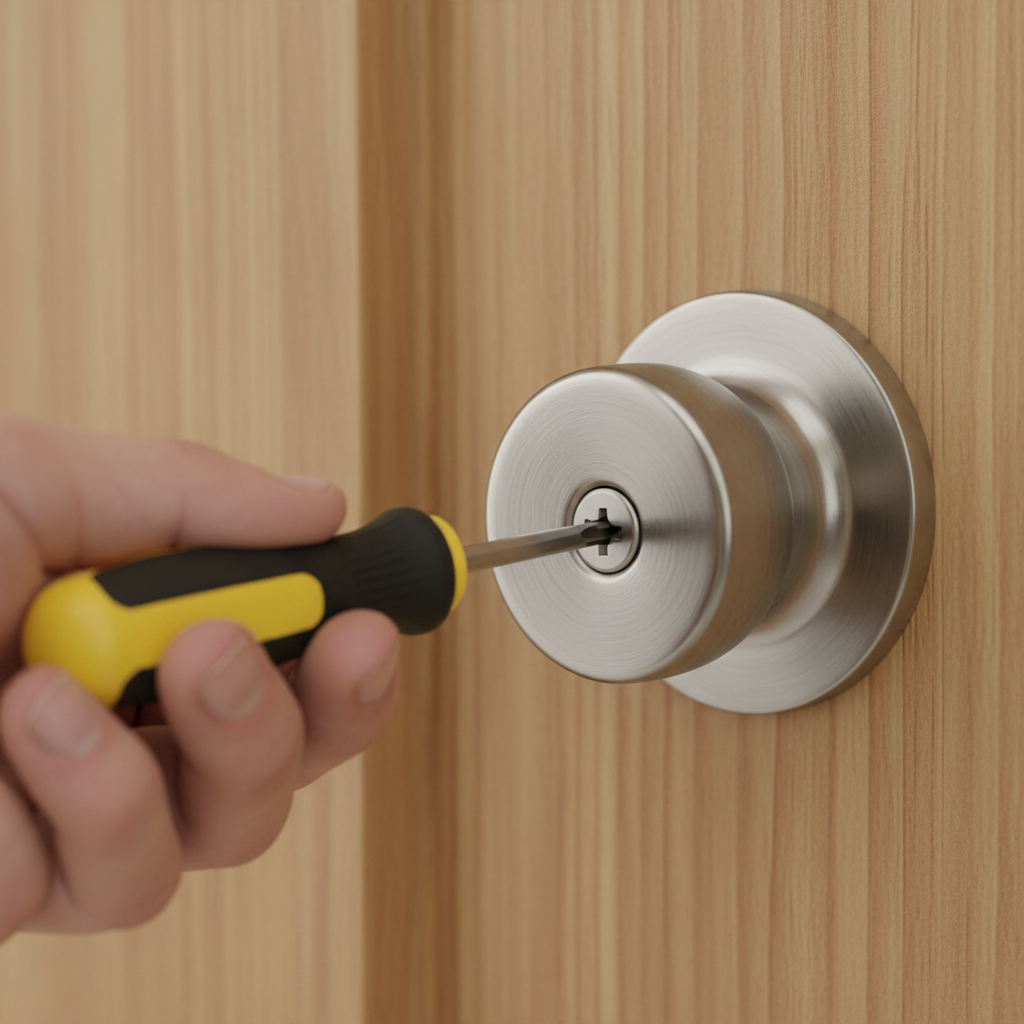
Everyday Wear and Tear
Just like any frequently used item in your home, doorknobs endure constant pushing, pulling, and turning. Over time, this repetitive motion can cause components to gradually loosen. The constant friction and pressure can degrade the materials, leading to play in the mechanism.
Loose Mounting Screws
This is by far the most common culprit. Doorknobs are typically held in place by screws that go through the rosette (the decorative plate around the base of the knob) and into the door’s internal mechanism or directly into the door itself. With daily use and the subtle vibrations of a house, these screws can slowly back out of their threads, leading to a noticeable wobble in the doorknob.
Worn or Stripped Set Screws
Many modern doorknobs and particularly lever handles utilize small “set screws” that secure the knob or lever onto the spindle (the square rod that passes through the door). If these tiny screws become loose, stripped, or fall out entirely, the knob or lever will spin freely or feel very wobbly. This is especially true for lever-style handles which rely heavily on these set screws for stability.
Damaged Spindle or Shaft
The spindle is the critical component that connects the two doorknobs (or the knob and the latch mechanism) through the door. It’s often a square-shaped metal rod. If the spindle itself is bent, worn, or incorrectly sized for the doorknob’s internal opening, it can create excessive play, causing both knobs to feel loose. In older doorknobs, the hole in the knob where the spindle passes through can also become worn, making the fit less snug.
Faulty Latch Mechanism
While often distinct from the doorknob itself, a problem with the latch mechanism can sometimes manifest as a loose-feeling doorknob. The latch is the part that extends into the door frame, keeping the door closed. If the screws holding the latch plate to the side of the door are loose, or if the internal spring mechanism of the latch assembly is failing, it can create a feeling of instability when you turn the knob, as the entire assembly might shift.
Poor Installation
Sometimes, a doorknob feels loose because it wasn’t installed correctly in the first place. This could involve screws that weren’t tightened sufficiently, using the wrong type or length of screws, or a mechanism that wasn’t properly seated within the door. Over time, these initial errors become more apparent as the doorknob is used.
Material Fatigue or Corrosion
Less common but still a possibility, particularly with very old doorknobs or those exposed to harsh conditions, is material fatigue or corrosion. Metal components can weaken, crack, or corrode over decades, leading to a breakdown in the doorknob’s structural integrity. This is more likely to necessitate a full replacement rather than a simple repair.
Before You Begin: Gathering Your Tools
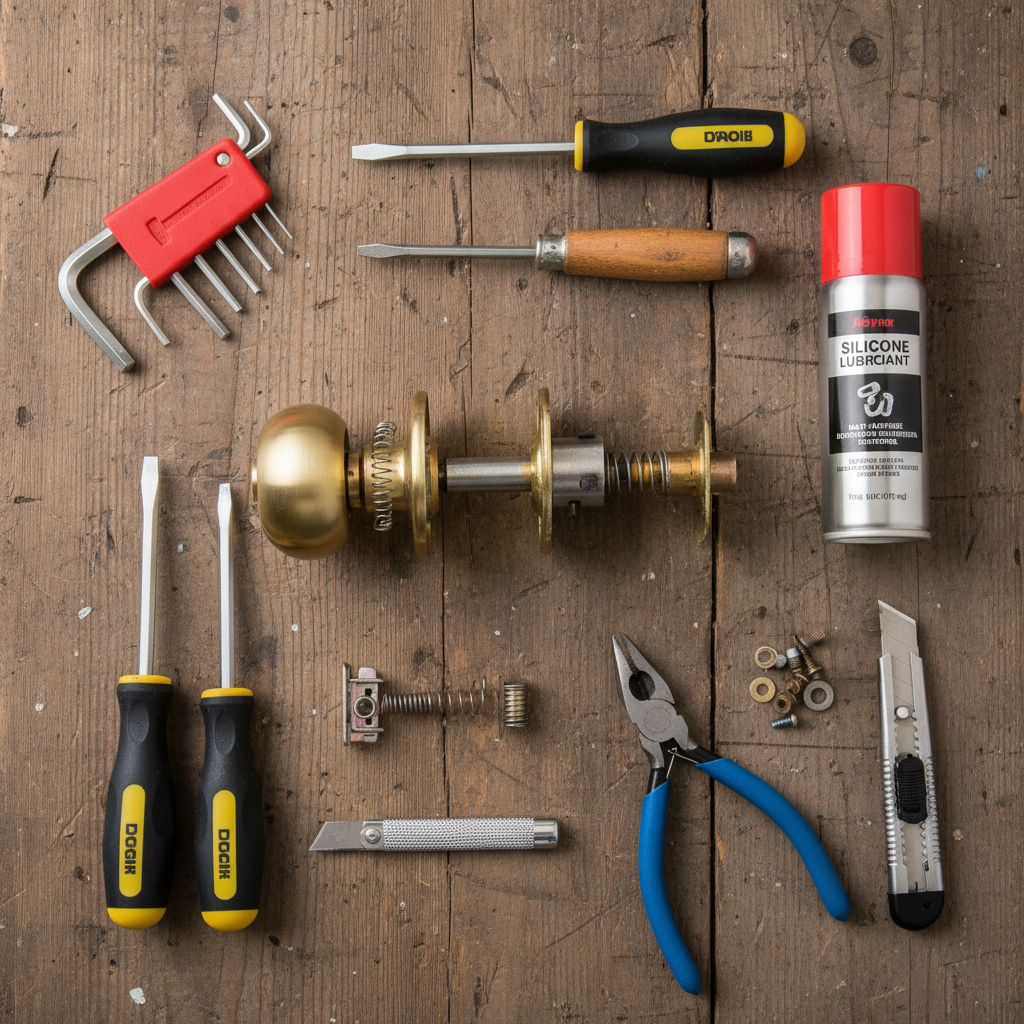
Before tackling your wobbly doorknob, gather the necessary tools. Having them on hand will make the process smoother and more efficient.
- Screwdriver Set: You’ll likely need both Phillips-head and flat-head screwdrivers. Some doorknobs might require specialized security bits, but this is less common for standard residential models.
- Allen Wrench Set: Many modern doorknobs, especially lever handles, use small set screws that require an Allen wrench (also known as a hex key) for tightening or removal.
- Needle-Nose Pliers: Useful for gripping small parts or pulling out stubborn pins.
- Pry Tool or Small Flat-Head Screwdriver: For carefully prying off rosettes or covers that hide mounting screws.
- Lubricant (Optional but Recommended): A dry lubricant like graphite powder or a silicone-based spray can help improve the operation of the latch mechanism and internal moving parts after you’ve tightened everything. Avoid oil-based lubricants as they can attract dust and grime.
- Replacement Screws (Optional): If you find any stripped or missing screws, having a few common sizes on hand can save you a trip to the hardware store.
A Step-by-Step Guide to Fixing Your Loose Doorknob
Now that you understand the potential causes and have your tools ready, let’s dive into the repair process. Remember to work methodically and carefully.
Step 1: Identify the Type of Doorknob
Doorknobs come in various styles, and knowing which type you have will help you understand how to disassemble it. Common types include:
- Passage Knobs: No lock, used for hallways or closet doors.
- Privacy Knobs: Feature a push-button or turn-button lock, common for bedrooms and bathrooms.
- Keyed Entry Knobs: Operated by a key from the outside and a turn-button from the inside, used for exterior doors.
- Dummy Knobs: Stationary, used purely for decorative purposes or to pull open a door that doesn’t latch (e.g., French doors).
Most repairs for a loose doorknob will focus on the main mechanism, which is similar across passage, privacy, and keyed entry types.
Step 2: Locate and Tighten Exposed Screws
This is the simplest and most common fix. Many doorknobs, especially older models, have visible mounting screws on the rosette (the round or square plate at the base of the doorknob).
- Examine both sides of the door: Look closely at the rosettes on both the interior and exterior sides of the door. You’ll typically find two screws on one side (usually the interior side for privacy/keyed knobs, but sometimes both).
- Tighten the screws: Using the appropriate screwdriver (usually Phillips-head), turn the screws clockwise until they are snug. Be careful not to overtighten, as this can strip the screw threads or crack the doorknob’s housing. If you feel the screw spinning without tightening, it might be stripped, which we’ll address later.
- Test the doorknob: After tightening, try wiggling the doorknob. If it’s still loose, proceed to the next step.
Step 3: Accessing Hidden Screws (Removing the Rosette)
Many modern doorknobs feature concealed mounting screws for a cleaner look. You’ll need to remove the rosette to access them. There are a few common ways rosettes are attached:
Method A: Threaded Rosette
Some rosettes simply screw onto the doorknob base.
- Grip the rosette firmly: Hold the doorknob steady with one hand and try to twist the rosette counter-clockwise with the other.
- Remove the rosette: Once it loosens, you can unscrew it completely.
- Access and tighten screws: Underneath, you’ll find the mounting screws. Tighten them as described in Step 2.
Method B: Snap-On Rosette with a Catch
These rosettes have a small tab or dimple that locks into a groove.
- Locate the catch: Look around the edge of the rosette for a small slot or indentation.
- Pry off the rosette: Insert a thin flat-head screwdriver or a specialized pry tool into the slot and gently pry the rosette away from the door. It should snap off. You might hear a “click.”
- Access and tighten screws: With the rosette off, tighten the visible mounting screws.
Method C: Set-Screw Rosette
Some rosettes are held in place by a tiny set screw, often located on the underside.
- Locate the set screw: Look for a small hole or screw on the side or bottom of the rosette.
- Loosen the set screw: Use a small Allen wrench (hex key) or a tiny flat-head screwdriver to loosen (but not necessarily remove) this screw.
- Remove the rosette: Once the set screw is loose, the rosette should slide off or twist away.
- Access and tighten screws: Proceed to tighten the internal mounting screws.
After tightening, reattach the rosette by reversing the removal process. Ensure it’s securely in place.
Step 4: Inspecting and Tightening Set Screws on the Knob/Lever Itself
If the *handle* or *knob* itself feels loose or spins freely on the spindle even after tightening the main mounting screws, the problem likely lies with a set screw directly on the knob or lever.
- Locate the set screw: Examine the base of the knob or lever. You’ll often find a small hole on the underside or side.
- Tighten the set screw: Insert the appropriate Allen wrench (typically 3/32″ or 1/8″) or small flat-head screwdriver and turn it clockwise until the knob or lever is securely fastened to the spindle. This screw bites into a groove or flat side of the spindle, preventing the knob from spinning independently.
- Test for tightness: Wiggle the knob/lever. It should now feel solid on the spindle.
Step 5: Checking and Repairing the Spindle/Shaft
If the doorknob still feels loose after tightening all screws, the spindle might be the issue.
- Remove both doorknobs: Completely remove both knobs and their rosettes from the door, exposing the spindle and the latch mechanism.
- Inspect the spindle:
- Is it bent or twisted? If so, it might need replacement.
- Are the holes in the knobs (where the spindle passes through) worn or enlarged? If so, the knobs themselves might be the issue, requiring replacement.
- Is the spindle properly seated in the latch mechanism? Ensure it’s pushed all the way through and centered.
- Ensure proper fit: When reassembling, make sure the spindle aligns correctly with the mechanism and the knob openings. If there’s still excessive play, consider if the spindle is the correct size or if its corners are rounded from wear. A new spindle might be necessary in such cases.
Step 6: Addressing the Latch Mechanism
A loose latch mechanism can also contribute to a general feeling of instability when operating the doorknob.
- Locate the latch plate screws: On the edge of the door, where the latch bolt protrudes, you’ll see a small metal plate held by two screws.
- Tighten the screws: Use a Phillips-head screwdriver to tighten these screws. Ensure they are snug against the door frame.
- Lubricate (optional): Apply a small amount of dry lubricant (like graphite powder or silicone spray) to the latch bolt and the internal mechanism. Work the knob several times to distribute the lubricant. This can improve the smoothness of operation and reduce strain on components, potentially prolonging their life. For more tips on general home maintenance, you might find valuable advice on sites like Better Homes & Gardens.
Step 7: Reassembly and Testing
Once you’ve addressed all potential culprits, reassemble your doorknob components in reverse order of disassembly. Ensure everything is aligned correctly and snugly tightened. Test the doorknob multiple times: turn it, push and pull the door, and check for any remaining wobble. It should feel solid and operate smoothly.
When Is It Time for a Doorknob Replacement?
While many loose doorknobs can be repaired, there are times when replacement is the more sensible or necessary option:
- Repeated Failures: If you’ve tightened the screws multiple times, and the doorknob consistently becomes loose again within a short period, it indicates a deeper issue that repairs can’t resolve.
- Stripped Threads Beyond Repair: If the screw holes in the doorknob’s internal mechanism or the door itself are stripped and cannot hold a screw securely (even with larger screws or wood filler), replacement parts or an entirely new doorknob assembly will be needed.
- Visible Damage: Cracks in the metal, severely bent spindles, or significant corrosion are signs that the doorknob’s structural integrity is compromised.
- Security Concerns: For exterior doors, a severely loose or damaged doorknob can be a security vulnerability. In such cases, replacing it with a robust, new locking mechanism is highly recommended.
- Outdated Style or Functionality: Sometimes, you might choose to replace a doorknob not because it’s broken, but because you want to update your home’s aesthetic, upgrade to a smarter lock, or improve accessibility (e.g., switching from a knob to a lever handle).
- Parts are Unavailable: For very old or unique doorknobs, finding replacement parts like spindles or specific screws can be impossible, making a full replacement the only viable option.
Proactive Measures: Preventing Loose Doorknobs in the Future
A little prevention can go a long way in keeping your doorknobs secure and functional:
- Regular Inspections: Periodically check your doorknobs (especially those on high-traffic doors) for any signs of wobbling. A quick tightening every few months can prevent minor looseness from becoming a major issue.
- Proper Installation: When installing new doorknobs, always follow the manufacturer’s instructions carefully. Ensure all screws are tightened to the correct torque (snug, but not overtightened).
- Avoid Forcing: Don’t yank or forcefully turn a doorknob, especially if the latch is sticking. Investigate and fix the sticking latch instead.
- Choose Quality Hardware: While more expensive, high-quality doorknobs and locking mechanisms are often made with more durable materials and better construction, leading to a longer lifespan and fewer issues.
- Lubrication: Occasionally applying a dry lubricant to the latch bolt and internal mechanism can reduce friction and wear, making the doorknob operate more smoothly and reducing the strain on its components.
Frequently Asked Questions About Loose Doorknobs
Q: Can I fix a loose doorknob myself, or do I need a professional?
A: In most cases, a loose doorknob can be fixed by a homeowner with basic DIY skills and common tools. The most frequent cause is loose screws, which are easy to tighten. If the problem involves internal mechanism damage or extensive stripping, you might need a professional locksmith or handyman.
Q: How often should I check my doorknobs?
A: For high-traffic doors (entryways, main bathrooms, frequently used bedrooms), a quick check every 3-6 months is advisable. For less-used doors, once a year should suffice. A simple wiggle test will usually tell you if they need attention.
Q: What if the screws are stripped and won’t tighten?
A: If the screws themselves are stripped, you can replace them with slightly larger diameter screws or longer ones if the mechanism allows. If the screw *holes* in the wood or metal are stripped, you might need to use wood filler and re-drill pilot holes (for wood doors) or consider replacing the part of the doorknob assembly that contains the stripped threads.
Q: Is a loose doorknob a security risk?
A: For interior doors, it’s more of an annoyance. For exterior doors, a severely loose doorknob, especially one that affects the locking mechanism, can absolutely be a security risk. If an exterior doorknob is compromised, it should be addressed immediately, or the entire assembly replaced.
Q: What’s the difference between a doorknob and a lever handle?
A: A doorknob is a round or oval grip that you turn. A lever handle is a handle that you push down. While the internal mechanisms are similar, lever handles often rely more on a small set screw to attach the handle to the spindle, making that screw a common point of failure for looseness.
Conclusion
A loose doorknob is a common household nuisance, but it’s rarely a complex problem to solve. By understanding the various components of your doorknob and methodically checking for loose screws, worn parts, or faulty mechanisms, you can often restore stability and functionality with a few simple tools and a little patience. Regular maintenance and prompt attention to minor wobbles can prevent more significant issues down the line, ensuring your doors operate smoothly and securely for years to come. Don’t let a wobbly handle diminish the comfort and safety of your home – take control and tighten things up!