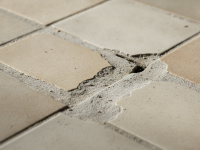
Why Are Your Bathroom Floor Tiles Lifting? Common Causes Explored
The phenomenon of tiles detaching from their substrate isn’t usually due to a single factor but often a combination of issues. Pinpointing the exact cause is essential for an effective repair. Let’s delve into the primary reasons your bathroom floor tiles might be lifting.
Moisture and Water Infiltration: The Silent Destroyer
Bathrooms are inherently wet environments, and water is often the primary culprit behind tile failure. Even minor leaks can cause significant damage over time.
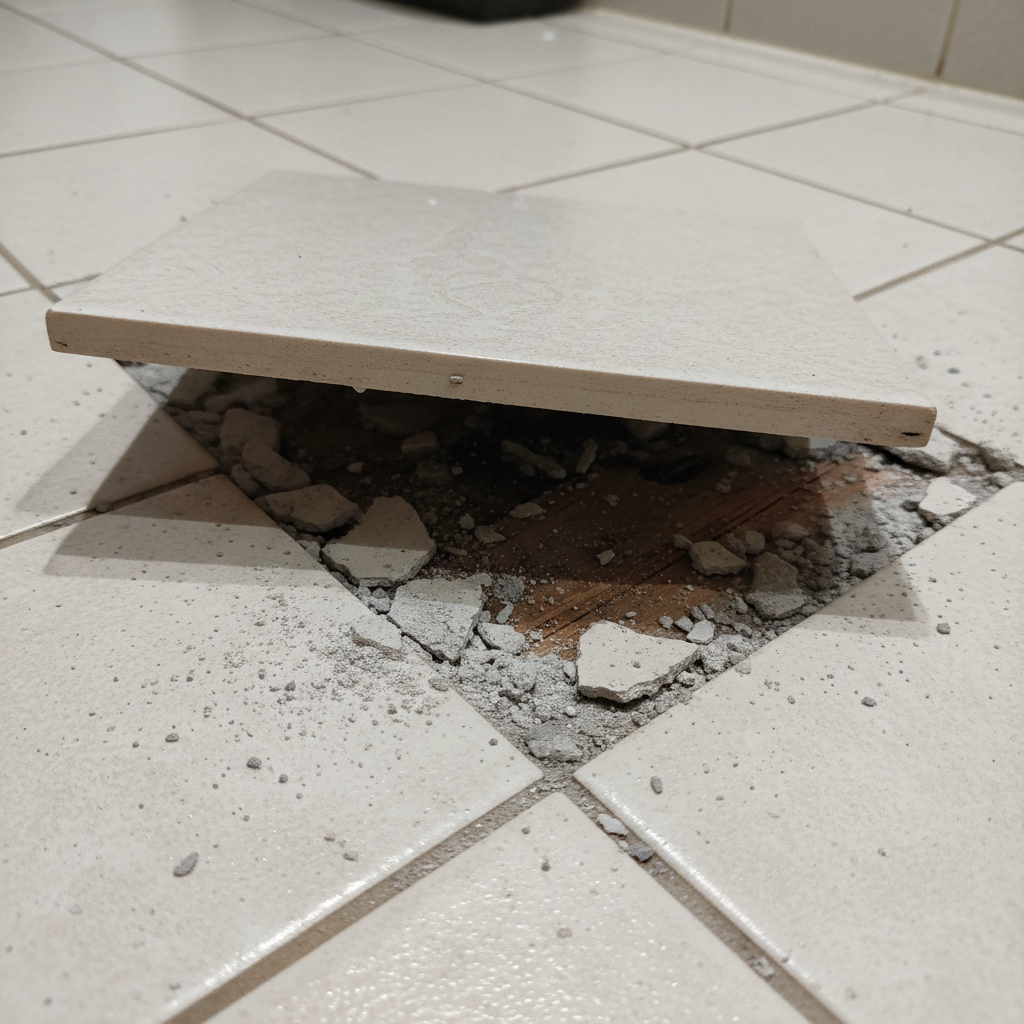
- Leaky Pipes or Fixtures: A slow drip from a toilet, shower, or sink can saturate the subfloor and the tile adhesive, weakening its bond.
- Poor Grouting and Sealing: Cracks in grout lines or a lack of proper sealing allow water to seep underneath the tiles, softening the thin-set mortar and promoting mold growth.
- Excessive Humidity: While not directly causing lifting, prolonged high humidity can contribute to the overall moisture load in the bathroom, exacerbating existing vulnerabilities.
- Improper Shower Pan Installation: If the shower pan isn’t installed correctly or if its waterproof membrane fails, water can escape and pool beneath adjacent floor tiles.
Subfloor Issues: The Unseen Foundation
The foundation beneath your tiles plays a critical role in their stability. Problems with the subfloor can directly lead to tiles lifting.
- Movement or Flexing: A subfloor that flexes excessively underfoot, perhaps due to inadequate support or an improper material like particle board, will inevitably cause the rigid tiles and grout to crack and detach.
- Improper Preparation: Before tiling, the subfloor must be clean, dry, level, and structurally sound. Any dust, debris, or moisture left on the subfloor can prevent the thin-set from bonding properly.
- Wrong Subfloor Material: Particle board and certain types of plywood are not recommended for bathroom subfloors due to their susceptibility to moisture absorption and swelling, which can cause tiles to lift. Cement board or appropriate plywood (exterior grade or better) is usually preferred.
- Foundation Settling or Structural Movement: In more severe cases, movement in the house’s foundation can translate to subfloor shifts, causing widespread tile issues, including cracking and lifting.
Improper Tile Installation: A Foundation of Flaws
Many tile problems stem from errors made during the initial installation process. Even professional installers can make mistakes, and DIY projects are particularly prone to these issues.
- Insufficient Thin-set Coverage: If the thin-set mortar isn’t applied with at least 80-90% coverage on the back of the tile (and 100% in wet areas like showers), air pockets can form. These weak spots are prone to cracking under pressure and allowing moisture ingress, leading to hollow tiles and eventual lifting.
- Incorrect Thin-set Type: Not all thin-sets are created equal. Using the wrong type for the specific tile material (e.g., porcelain vs. ceramic) or subfloor, or in a wet environment, can lead to bond failure.
- Not Enough Expansion Joints: Tiles expand and contract with temperature and humidity changes. Without adequate expansion joints (small gaps filled with flexible caulk around the perimeter of the room and large tiled areas), the tiles can buckle and lift due to pressure.
- Applying Thin-set Over a Dirty Surface: As mentioned with subfloor preparation, if the back of the tile or the subfloor is dusty or has residue, the thin-set won’t bond effectively.
- “Spot Bonding”: Applying thin-set only in dabs or spots on the tile back rather than a continuous, even layer. This creates voids and weak points.
Temperature and Humidity Fluctuations: The Silent Pressure
Bathrooms experience significant swings in temperature and humidity, especially during showers or baths. These fluctuations cause building materials, including tiles and the substrate, to expand and contract.
- Thermal Expansion: Tiles can expand slightly when heated and contract when cooled. If there’s no room for this movement (i.e., no expansion joints), the tiles can push against each other, causing them to buckle or “tent” upwards.
- Moisture Absorption and Release: Wooden subfloors can swell and shrink with changes in moisture content, putting stress on the tile layer above.
Grout Failure and Efflorescence: More Than Just Aesthetics
While grout is often seen as purely decorative, it plays a vital role in protecting your tile installation.
- Cracked or Deteriorated Grout: Grout can crack due to subfloor movement, improper mixing, or age. These cracks become direct pathways for water to seep beneath the tiles.
- Efflorescence: This white, powdery substance is caused by soluble salts rising to the surface of porous materials (like grout or concrete) as water evaporates. While not a direct cause of lifting, its presence often indicates that moisture is infiltrating the tile assembly, potentially compromising the thin-set.
Foundation Settling or Structural Movement: The Deep-Seated Issue
Sometimes, the problem lies deeper than the bathroom floor itself. If your house’s foundation is settling or experiencing significant structural movement, it can cause the entire floor system to shift and crack, leading to widespread tile failure.
- Symptoms: Look for other signs like cracks in walls, sticking doors or windows, or uneven floors in other parts of the house.
Identifying the Problem: Signs Beyond Just Lifting Tiles
Catching tile problems early can prevent more extensive damage. Here are key indicators to look for:
- Hollow Sounds: Tap your floor tiles with a coin or the handle of a screwdriver. A sharp, solid sound is good; a hollow sound indicates a lack of adhesion or a void beneath the tile.
- Cracked or Missing Grout: Grout that is crumbling, cracked, or missing in areas allows water to penetrate.
- Visible Cracks in Tiles: While a dropped item can cause a crack, cracks that appear without impact, especially those extending across multiple tiles or through grout lines, often point to subfloor movement or stress.
- Water Stains or Mold: Discoloration on baseboards, walls adjacent to the bathroom, or visible mold growth can signal a moisture issue migrating from beneath the tiles.
- Uneven Surfaces (Lippage): When one tile edge is higher than an adjacent tile, it’s called lippage. This can be an installation error but can also develop over time due to subfloor movement or tiles detaching.
Can You Fix Lifting Bathroom Floor Tiles Yourself? DIY vs. Professional Help
Whether you can tackle the repair yourself depends on the extent and cause of the problem.
When to DIY: Simple Repairs
You might be able to manage these issues yourself:
- A Few Isolated Loose Tiles: If only one or two tiles are hollow or slightly loose, and there’s no evidence of widespread water damage or subfloor issues.
- Cracked or Missing Grout: Regrouting small sections is a common DIY task.
- Minor Water Leaks: If you can easily identify and fix a small leak (e.g., a loose toilet flange or a dripping faucet), and the damage is minimal.
When to Call a Pro: Complex Issues
It’s advisable to seek professional help from a qualified tile setter or a general contractor if:
- Widespread Lifting: Many tiles are affected across a large area.
- Structural Concerns: You suspect subfloor damage, foundation issues, or significant water damage.
- Persistent Leaks: You can’t identify or fix the source of a leak, or the leak has caused significant damage.
- Repeated Problems: Tiles keep lifting even after previous repairs, indicating an unresolved underlying issue.
- Lack of Experience: If you’re uncomfortable with demolition, subfloor repair, or precise tile setting techniques.
Step-by-Step Guide to Repairing Lifting Bathroom Floor Tiles (DIY for Simple Cases)
For those confident in their DIY skills and dealing with isolated tile issues, here’s a general guide. Always prioritize safety and wear appropriate protective gear.
Step 1: Assessment and Preparation
- Identify Affected Tiles: Tap all surrounding tiles to find all loose or hollow ones. Use painter’s tape to mark them.
- Gather Materials: New tiles (if replacing), thin-set mortar, grout, grout sealer, utility knife, hammer, chisel, pry bar, safety glasses, gloves, dust mask, bucket, sponge, trowel, margin float, grout float.
- Shut Off Water: If you suspect a leak, turn off the water supply to the bathroom.
Step 2: Removing the Damaged Tiles
- Score Grout Lines: Use a utility knife to score the grout lines around the damaged tiles. This helps prevent damage to adjacent tiles.
- Remove Grout: Using a grout saw or a utility knife, carefully remove the grout surrounding the affected tiles.
- Pry Up Tiles: With safety glasses on, carefully use a hammer and chisel (or a pry bar) to gently lift the loose tiles. Start at an edge if possible. Be cautious not to damage the subfloor or surrounding tiles. If the tile is stubbornly adhered, you might need to carefully break it with a hammer, starting from the center and working outwards.
Step 3: Subfloor Inspection and Repair
- Clean the Subfloor: Scrape off all old thin-set, debris, and dust from the subfloor where the tiles were removed. A clean surface is crucial for new adhesion.
- Inspect for Damage: Look for any signs of water damage (discoloration, swelling, rot) or subfloor movement (cracks, soft spots).
- Repair Subfloor: If the subfloor is damaged, it MUST be repaired or replaced before new tiles are laid. This might involve cutting out and replacing a section of water-damaged cement board or plywood. Ensure the repaired section is level with the rest of the subfloor.
- Ensure Stability: If the subfloor felt too flexible, consider adding extra bracing from below (if accessible) or using a suitable uncoupling membrane.
Step 4: Preparing the New Tile Bed
- Mix Thin-set: Follow the manufacturer’s instructions to mix your chosen thin-set mortar. Consistency should be like peanut butter.
- Apply Thin-set: Using the flat side of a notched trowel, spread a thin layer of thin-set onto the clean subfloor. Then, use the notched side to comb additional thin-set into parallel ridges. Use the appropriate notch size for your tile.
- Back-Butter Tiles (Optional but Recommended): For better adhesion, especially with larger tiles, apply a thin layer of thin-set to the back of the new tile as well.
Step 5: Laying New Tiles
- Set Tiles: Carefully place the new tile into the thin-set bed, twisting it slightly to ensure good contact and collapse the thin-set ridges.
- Check Level: Use a level to ensure the new tile is flush with the surrounding tiles. Adjust as needed. Use tile spacers to maintain consistent grout lines.
- Clean Excess Thin-set: Immediately wipe away any thin-set that squeezes up through the grout lines or gets on the tile surface with a damp sponge.
- Cure Time: Allow the thin-set to cure completely, typically 24-48 hours, before walking on the tiles or grouting. Refer to the thin-set manufacturer’s instructions.
Step 6: Grouting and Sealing
- Mix Grout: Mix your grout according to the manufacturer’s instructions.
- Apply Grout: Using a rubber grout float, spread the grout diagonally across the tiles, pressing it firmly into the grout lines.
- Clean Excess Grout: After allowing the grout to set for a short period (hazing begins), clean off excess grout with a damp sponge, rinsing the sponge frequently.
- Cure Time: Allow the grout to cure for the recommended time (usually 24-72 hours) before sealing.
- Seal Grout: Once fully cured, apply a high-quality grout sealer to protect against moisture and stains. This is a critical step in a bathroom. For more detailed instructions on sealing grout properly, you can refer to expert advice from sources like Better Homes & Gardens on how to seal grout.
Preventing Future Bathroom Tile Problems: A Proactive Approach
Prevention is always better (and cheaper) than repair. Here’s how to keep your bathroom tiles looking great and staying put for years to come.
Proper Installation is Key
- Qualified Installers: Hire experienced, reputable tile installers who understand proper subfloor preparation, thin-set application, and expansion joint requirements for wet areas.
- Correct Materials: Ensure the correct type of subfloor (e.g., cement board for wet areas) and appropriate thin-set mortar are used for your specific tiles and conditions.
- Adequate Thin-set Coverage: Insist on “back-buttering” for larger tiles and ensure full thin-set coverage to avoid voids.
- Expansion Joints: Make sure proper expansion joints are incorporated around the perimeter of the room and in larger tiled areas.
Regular Maintenance and Sealing
- Clean Grout Regularly: Keep grout lines clean to prevent mold and mildew, which can degrade the grout.
- Re-seal Grout: Depending on usage and the type of sealer, grout should be re-sealed every 1-3 years. Test by dropping a few drops of water on the grout; if it soaks in, it’s time to re-seal.
- Inspect for Cracks: Periodically check grout lines and caulk around tubs and showers for cracks or deterioration. Repair promptly.
Addressing Leaks Promptly
- Fix Dripping Faucets and Toilets: Don’t ignore small leaks. Repair them immediately to prevent water from reaching the subfloor.
- Check Shower Seals: Ensure shower doors and enclosure seals are watertight.
Ensuring Proper Ventilation
- Use Exhaust Fan: Always use your bathroom exhaust fan during and after showers to reduce humidity levels.
- Open Windows: If possible, open a window after showering to air out the bathroom.
- Prevent Mold: Good ventilation prevents excessive moisture buildup, which is detrimental to both tiles and overall bathroom health.
Using the Right Materials
- Quality Tiles: Invest in good quality tiles that are designed for floor use and appropriate for a wet environment.
- Waterproof Backer Board: In shower areas, ensure a waterproof backer board (like cement board with a liquid membrane) is used.
When to Consider a Full Bathroom Renovation
If you’re facing widespread lifting, significant subfloor damage, persistent leaks, or if your bathroom is simply outdated and inefficient, a full renovation might be the most cost-effective long-term solution. A comprehensive renovation allows you to address all underlying issues, upgrade to modern waterproofing systems, and choose durable, high-quality materials from the ground up, ensuring your new bathroom floor remains solid for decades.
FAQs About Bathroom Floor Tile Issues
Q1: How much does it cost to fix lifting tiles?
The cost varies greatly depending on the extent of the damage, the cause, and whether you DIY or hire a professional. Simple spot repairs for a few tiles might cost $50-$200 in materials. If subfloor repair or professional intervention is needed for widespread issues, costs can range from $500 to several thousand dollars, especially if a full re-tile is required.
Q2: Can lifting tiles cause water damage?
Absolutely. Lifting tiles create gaps and pathways for water to seep beneath the surface, leading to water damage in the subfloor, joists, and potentially ceilings below. This can result in rot, mold growth, and structural weakening.
Q3: What is “tile lippage”?
Lippage refers to the height difference between the edges of two adjacent tiles. While some minimal lippage is allowed by industry standards, excessive lippage can be a tripping hazard, collect dirt, and indicate poor installation or subfloor movement.
Q4: How often should I seal my grout?
The frequency depends on the type of grout, the quality of the sealer, and the amount of moisture exposure. Generally, most cementitious grouts should be re-sealed every 1-3 years. You can test your grout by dripping water on it; if it absorbs quickly and darkens, it’s time to re-seal.
Q5: Is it normal for tiles to make a hollow sound?
No, it’s not normal. A hollow sound when tapping a tile indicates that there are voids beneath it, meaning the thin-set did not adhere properly to the tile or the subfloor. While a few small hollow spots might not be an immediate concern, widespread hollowness or tiles that sound completely hollow are at a higher risk of cracking or lifting.
Conclusion: Protecting Your Investment from Lifting Bathroom Floor Tiles
Lifting bathroom floor tiles are more than just an aesthetic annoyance; they’re a warning sign that shouldn’t be ignored. By understanding the common culprits—from moisture intrusion and subfloor instability to improper installation—you empower yourself to take informed action. Whether you opt for a targeted DIY repair or enlist the expertise of a professional, addressing the root cause is paramount. Proactive maintenance, diligent sealing, and ensuring quality installation are your best defenses against this common household woe, safeguarding your investment and preserving the beauty and functionality of your bathroom for years to come.