What Exactly is AC Short Cycling?
At its core, AC short cycling refers to your air conditioning unit completing much shorter operational cycles than it’s designed for. A healthy AC system typically runs for 15-20 minutes (sometimes longer in very hot weather) to cool your home to the desired temperature, then shuts off until the thermostat detects a temperature rise. When an AC unit short cycles, it might run for only a few minutes before turning off, often failing to adequately cool your living space. This rapid on-and-off pattern places undue stress on the system’s components, particularly the compressor, which is the heart of your AC.
Think of it like a car engine constantly starting and stopping in heavy traffic versus cruising smoothly on a highway. Each start-up demands a surge of power and puts wear on the components. For an air conditioner, short cycling means more wear and tear, less efficient cooling, and a higher chance of premature system failure. Identifying why your AC keeps turning off and on is the first step towards a solution.
Common Causes Behind an AC Unit Turning On and Off
Several issues, ranging from simple fixes to complex mechanical problems, can cause your air conditioner to short cycle. Pinpointing the exact cause requires a bit of investigation. Here are some of the most frequent culprits:
1. Dirty Air Filters
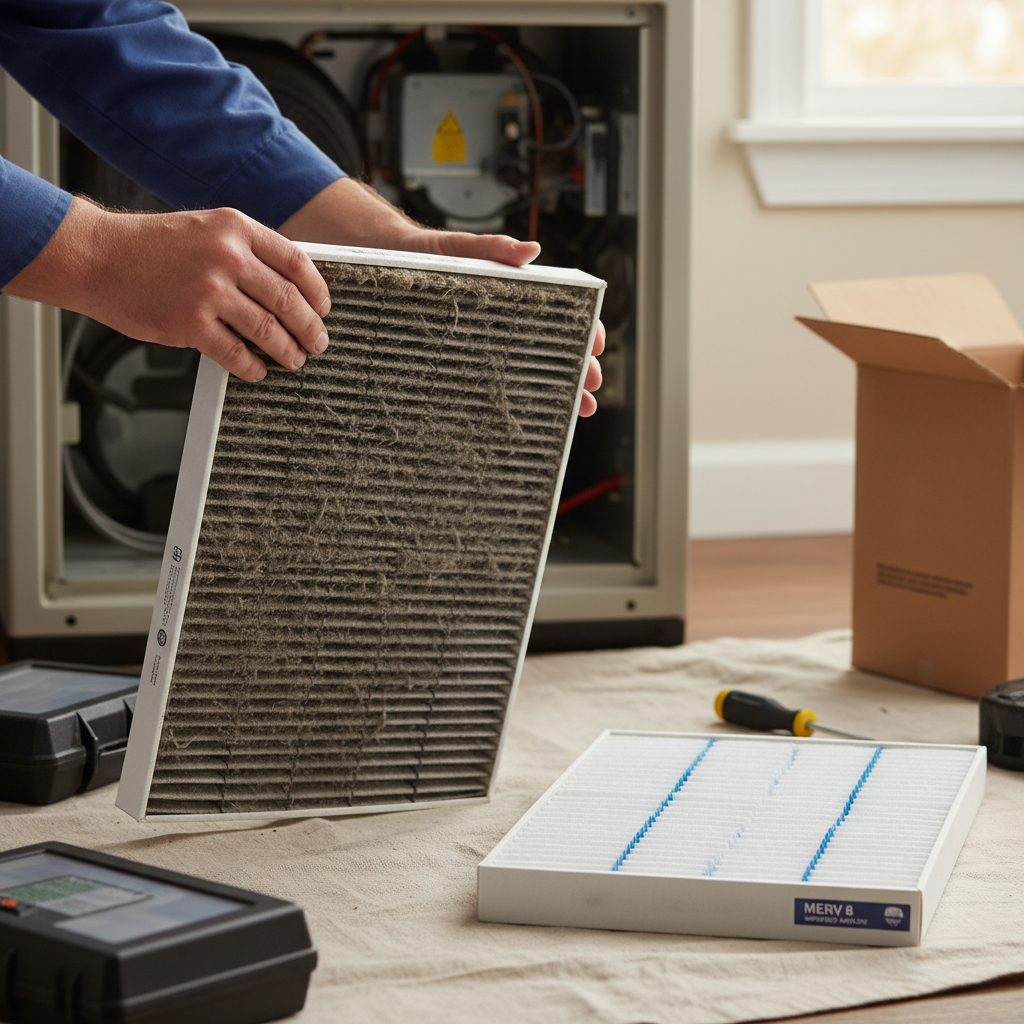
This is arguably the most common and easiest-to-fix cause of AC short cycling. A clogged air filter restricts airflow into your AC unit’s indoor coil (evaporator coil). When airflow is reduced, the coil can get too cold and even freeze over. Your AC system has safety mechanisms designed to prevent damage from freezing, which often include shutting the unit off prematurely, leading to a short cycle. Additionally, restricted airflow makes the system work harder to cool your home, leading to overheating and early shutdowns.
2. Low Refrigerant Levels (Refrigerant Leaks)
Refrigerant is the lifeblood of your AC system, absorbing heat from your home and releasing it outside. If your system is low on refrigerant due to a leak, it won’t be able to effectively transfer heat. This causes the AC to struggle to reach the thermostat’s set temperature, leading it to run longer but still fail to cool adequately, or to repeatedly try and fail, resulting in short cycles. Low refrigerant can also lead to coils freezing, triggering safety shutdowns. A professional must address refrigerant leaks, as simply adding more refrigerant without fixing the leak is a temporary, harmful solution.
3. Oversized AC Unit
While it might sound counterintuitive, an air conditioner that’s too powerful for your home can be a major cause of short cycling. An oversized unit cools your home very quickly, satisfying the thermostat’s temperature setting before it has a chance to complete a full cycle or properly dehumidify the air. The unit then shuts off, only to restart a short while later when the temperature rises slightly. This rapid cooling and stopping is inefficient and doesn’t remove humidity effectively, leaving your home feeling clammy even if the temperature is cool.
4. Thermostat Issues
Your thermostat is the brain of your AC system. Any problems with it can lead to erratic behavior, including short cycling. Common thermostat issues include:
- Incorrect Placement: If the thermostat is located near a heat source (like a lamp, sunny window, or heat vent), it might sense a higher temperature than the rest of the house and trigger the AC to turn on unnecessarily, only for the actual cooler air to quickly satisfy it and shut it off.
- Faulty Calibration or Sensors: An improperly calibrated thermostat or one with a malfunctioning sensor might misread the room temperature, causing the AC to switch on and off prematurely.
- Dead or Low Batteries: For battery-powered thermostats, low batteries can lead to unreliable readings and communication with your AC unit.
- Loose Wiring: Poor electrical connections can disrupt the signal between the thermostat and the AC.
5. Dirty Evaporator Coils
The evaporator coils are located inside your home and are responsible for absorbing heat from the indoor air. Over time, these coils can accumulate a layer of dirt, dust, and grime. This build-up acts as an insulator, preventing the coils from efficiently absorbing heat. As a result, the AC unit works harder, struggles to cool, and can experience freezing due to restricted heat transfer, all of which can trigger short cycling. Professional cleaning is often required for thoroughly dirty evaporator coils.
6. Dirty Condenser Coils
The condenser coils are part of your outdoor unit and release the heat absorbed from your home into the outside air. If these coils are covered in dirt, leaves, grass clippings, or other debris, they can’t dissipate heat effectively. This causes the refrigerant pressure to build up, leading to the system overheating. Many AC units have safety cut-offs that will shut the unit down if it gets too hot, causing it to short cycle. Regular cleaning of the outdoor unit’s surroundings and coils can prevent this.
7. Electrical Problems
Various electrical components within your AC system can fail and cause short cycling. These include:
- Failing Capacitors: Capacitors provide the initial electrical boost needed to start the compressor and fan motors. A weak or failing capacitor can prevent these components from starting properly or keep them from running at full capacity, leading to rapid cycling.
- Faulty Wiring: Loose, corroded, or damaged wiring can interrupt the electrical signals to and from various AC components, leading to erratic operation.
- Overheating Motors: If the fan motor or compressor motor is overheating due to electrical issues or mechanical wear, internal safety switches can shut them down to prevent damage, causing short cycling.
8. Blocked Condensate Drain Line
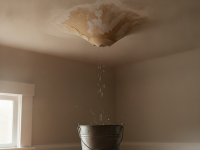
As your AC unit cools your home, it also removes humidity, producing condensation (water). This water collects in a drain pan and flows out through a condensate drain line. If this line becomes clogged with algae, mold, or debris, the water will back up and eventually trigger a float switch. This switch is a safety mechanism designed to shut off the AC unit to prevent water damage, resulting in an immediate, unexpected shutdown and subsequent short cycling once the water drains enough to reset the switch.
9. Fan Motor Issues
Both the indoor (blower) and outdoor (condenser) fan motors are crucial for proper airflow and heat exchange. If either motor is struggling due to wear and tear, a failing capacitor, or an obstruction, it can hinder the AC’s ability to cool or dissipate heat. This inefficiency can lead to the system overheating or failing to reach temperature, triggering safety shutdowns and causing short cycles.
10. Frozen Evaporator Coil
A frozen evaporator coil is often a symptom of another problem, such as a dirty air filter, low refrigerant, or a faulty blower fan. When the coil freezes, it can no longer absorb heat from your home’s air. The AC system senses this inefficiency or potential damage and will typically shut down the compressor, though the fan might continue to run to try and melt the ice. Once the ice melts, the system might try to restart, only to freeze again, creating a continuous short-cycling loop.
Troubleshooting AC Short Cycling: DIY Steps
Before calling a professional, there are several simple checks and maintenance tasks you can perform that might resolve the issue of your AC turning on and off:
1. Check and Replace Your Air Filter
This is the simplest and often most effective first step. Locate your AC’s air filter (usually in the return air vent or at the air handler unit). If it looks dark, dusty, and clogged, replace it immediately with a new, clean filter. Aim to check your filter monthly and replace it every 1-3 months, or more often if you have pets or allergies. A fresh filter can significantly improve airflow and cooling efficiency.
2. Inspect Thermostat Settings and Batteries
Go to your thermostat and check the following:
- Batteries: If it’s battery-powered, replace the batteries, even if you think they’re fine.
- Settings: Ensure it’s set to “Cool” and “Auto” (not “On” for the fan). Double-check the desired temperature.
- Location: Make sure no direct sunlight, lamps, or heat-emitting appliances are near the thermostat.
- Cleanliness: Gently wipe away any dust from the thermostat’s exterior and ensure its vents (if any) are clear.
3. Clean Around the Outdoor Unit (Condenser)
The outdoor unit needs clear space to dissipate heat. Turn off power to the outdoor unit at your breaker box before performing this step. Then:
- Clear away any leaves, grass clippings, weeds, or debris that have accumulated around the unit.
- Trim back any shrubs or plants that are within two feet of the unit.
- Gently hose down the condenser coils from the outside inwards to remove surface dirt. Avoid high pressure, which can bend the delicate fins.
4. Examine the Condensate Drain
Locate the condensate drain line (a PVC pipe usually exiting your indoor unit). Check if water is visibly backing up in the drain pan or if the pipe appears clogged. If you can safely access it and have a wet/dry vacuum, you might be able to suction out a clog. Many systems also have a primary and secondary drain, with a float switch on the secondary drain pan. If you see water in the secondary pan, it indicates a clog in the primary line.
5. Reset the AC System
Sometimes, a simple reset can clear a temporary glitch. Turn off your AC unit at the thermostat and then go to your home’s electrical panel. Find the breaker labeled for your “AC” or “Furnace” and flip it to the “Off” position. Wait for 15-30 minutes, then flip it back to “On.” Return to your thermostat and turn the AC back on. This hard reset can sometimes resolve minor electrical hiccups.
When to Call a Professional for AC Short Cycling
If you’ve gone through the DIY troubleshooting steps and your AC is still short cycling, or if you suspect a more serious issue, it’s time to call a qualified HVAC technician. Attempting complex repairs yourself, especially those involving refrigerant or electrical components, can be dangerous and could void your warranty. Here are clear indicators that professional help is needed:
1. Persistent Issues After DIY Troubleshooting
If basic maintenance doesn’t solve the problem, the cause is likely more complex and requires specialized tools and expertise to diagnose accurately.
2. Suspected Refrigerant Leaks
If you notice hissing sounds, ice on your refrigerant lines, or your AC isn’t cooling effectively despite proper airflow, you likely have a refrigerant leak. Handling refrigerants requires EPA certification and specialized equipment. A technician will find and repair the leak, then recharge the system.
3. Electrical Problems
Failing capacitors, faulty wiring, or motor issues often present with humming sounds, grinding noises, or the smell of burning plastic. These are dangerous to troubleshoot without proper training. An HVAC technician can safely test electrical components and replace faulty parts.
4. Complex Component Failures
Problems with the compressor, expansion valve, or a stuck reversing valve (in heat pumps) are all internal, complex issues that demand professional attention. These repairs can be costly but are essential for the system’s longevity.
5. System Age
If your AC unit is over 10-15 years old and experiencing frequent short cycling, it might be nearing the end of its lifespan. A technician can assess its overall condition and advise whether repair or replacement is the more economical option in the long run.
Preventative Maintenance Tips to Avoid Short Cycling
Regular maintenance is key to preventing AC short cycling and ensuring your unit runs efficiently for years to come. By taking proactive steps, you can significantly extend the lifespan of your system and enjoy consistent comfort.
1. Regular Filter Changes
As mentioned, clean filters are paramount. Make it a habit to check your air filter monthly and replace it every 1-3 months. This simple task is your first line of defense against many AC issues, including short cycling caused by airflow restrictions.
2. Annual Professional Tune-ups
Schedule a professional HVAC tune-up once a year, ideally in the spring before the cooling season begins. During a tune-up, a technician will:
- Clean coils (evaporator and condenser).
- Check refrigerant levels and inspect for leaks.
- Test electrical components (capacitors, relays, wiring).
- Lubricate moving parts.
- Inspect the condensate drain.
- Verify thermostat accuracy.
- Ensure proper airflow and pressure.
This comprehensive check helps catch minor issues before they escalate into major problems like short cycling. For more insights on general home maintenance, Good Housekeeping offers a helpful home maintenance checklist that includes HVAC care.
3. Keep Coils Clean
Beyond professional cleaning, you can help maintain the cleanliness of your outdoor condenser unit. Periodically clear away debris around it and gently rinse the coils with a garden hose (with the power off!). Avoid bending the delicate fins.
4. Maintain Proper Thermostat Settings
Set your thermostat to a reasonable temperature and avoid constantly adjusting it. Frequent temperature changes can force your AC to work harder and cycle more often. Consider using a programmable or smart thermostat to set schedules that align with your daily routine, optimizing efficiency and reducing unnecessary cycling.
5. Ensure Proper Airflow
Beyond the filter, make sure all your supply and return vents are open and unobstructed by furniture, curtains, or rugs. Good airflow throughout your home is essential for your AC to operate efficiently and complete full cooling cycles.
The Dangers of Ignoring Short Cycling
While an AC short cycling turning on and off might seem like a minor inconvenience, ignoring it can lead to severe consequences for your HVAC system and your wallet:
- Increased Energy Bills: Each time your AC starts, it draws a significant amount of power. Frequent start-ups due to short cycling lead to higher electricity consumption and inflated energy bills.
- Reduced System Lifespan: The compressor, the most expensive component of your AC, experiences extreme wear and tear with constant starting and stopping. This significantly shortens the overall lifespan of your entire unit.
- Poor Cooling Performance: An AC that short cycles rarely runs long enough to properly cool your home or adequately remove humidity, leaving you with an uncomfortable, clammy environment.
- Component Wear and Tear: Beyond the compressor, other parts like fan motors, contactors, and electrical components also suffer from the stress of frequent cycling, leading to premature failure.
- Potential for Complete System Failure: If left unaddressed, the underlying cause of short cycling can eventually lead to a catastrophic breakdown of your AC system, necessitating expensive repairs or even a full replacement.
Frequently Asked Questions About AC Short Cycling
How long should an AC run in a cycle?
Under normal conditions, an AC unit should typically run for 15-20 minutes per cycle, sometimes longer in very hot weather, to properly cool and dehumidify your home. Anything consistently shorter than 10 minutes (unless the outdoor temperature is very mild) could indicate short cycling.
Can a dirty air filter cause short cycling?
Yes, absolutely. A dirty air filter is one of the most common causes of AC short cycling. It restricts airflow, making the unit work harder, and can lead to the evaporator coil freezing, which triggers safety shutdowns.
Is short cycling bad for my AC?
Yes, short cycling is very bad for your AC. It puts excessive strain on the compressor and other components, leading to increased wear and tear, higher energy bills, reduced cooling efficiency, and a significantly shortened lifespan for your unit.
How much does it cost to fix AC short cycling?
The cost to fix AC short cycling varies widely depending on the underlying cause. Simple fixes like replacing a dirty air filter or thermostat batteries might cost very little. More complex issues like refrigerant leak repair, coil cleaning, or replacing a faulty capacitor can range from a couple of hundred dollars to over a thousand, depending on the part and labor involved. An oversized unit might even require a full system replacement.
Can I fix short cycling myself?
You can troubleshoot and fix some common causes of short cycling yourself, such as replacing a dirty air filter, checking thermostat batteries, or clearing debris around the outdoor unit. However, for issues involving refrigerant, electrical components, or internal mechanical failures, it’s always best and safest to call a professional HVAC technician.
Conclusion
An AC short cycling turning on and off is more than just an annoyance; it’s a critical symptom that your cooling system needs attention. While some causes are simple to resolve with basic DIY maintenance, others require the expertise of a qualified HVAC professional. By understanding the common reasons why your AC unit might be exhibiting this behavior and taking prompt action, you can prevent more severe damage, save money on energy bills, and ensure your home remains a cool and comfortable sanctuary for years to come. Don’t let your AC suffer in silence – address short cycling quickly to protect your investment and maintain your indoor comfort.