Creating an inspiring and stimulating environment for children is paramount to fostering a love for learning. While traditional rugs offer comfort, the innovative use of artificial grass rug ideas for kids learning spaces can truly transform an ordinary room into an extraordinary adventure zone. Imagine a vibrant, tactile surface that invites exploration, provides a soft landing for energetic play, and brings the refreshing feel of nature indoors. These versatile rugs offer a unique blend of aesthetic appeal, sensory stimulation, and practical benefits, making them an increasingly popular choice for parents, educators, and anyone designing a child-centric area.
Why Artificial Grass Rugs for Kids’ Learning Spaces?
The appeal of synthetic turf extends far beyond its low-maintenance outdoor applications. When thoughtfully integrated into indoor or covered learning environments, artificial grass rugs offer a myriad of advantages that cater specifically to the needs of growing children and their developing minds.
Bringing Nature Indoors: The Biophilic Design Advantage
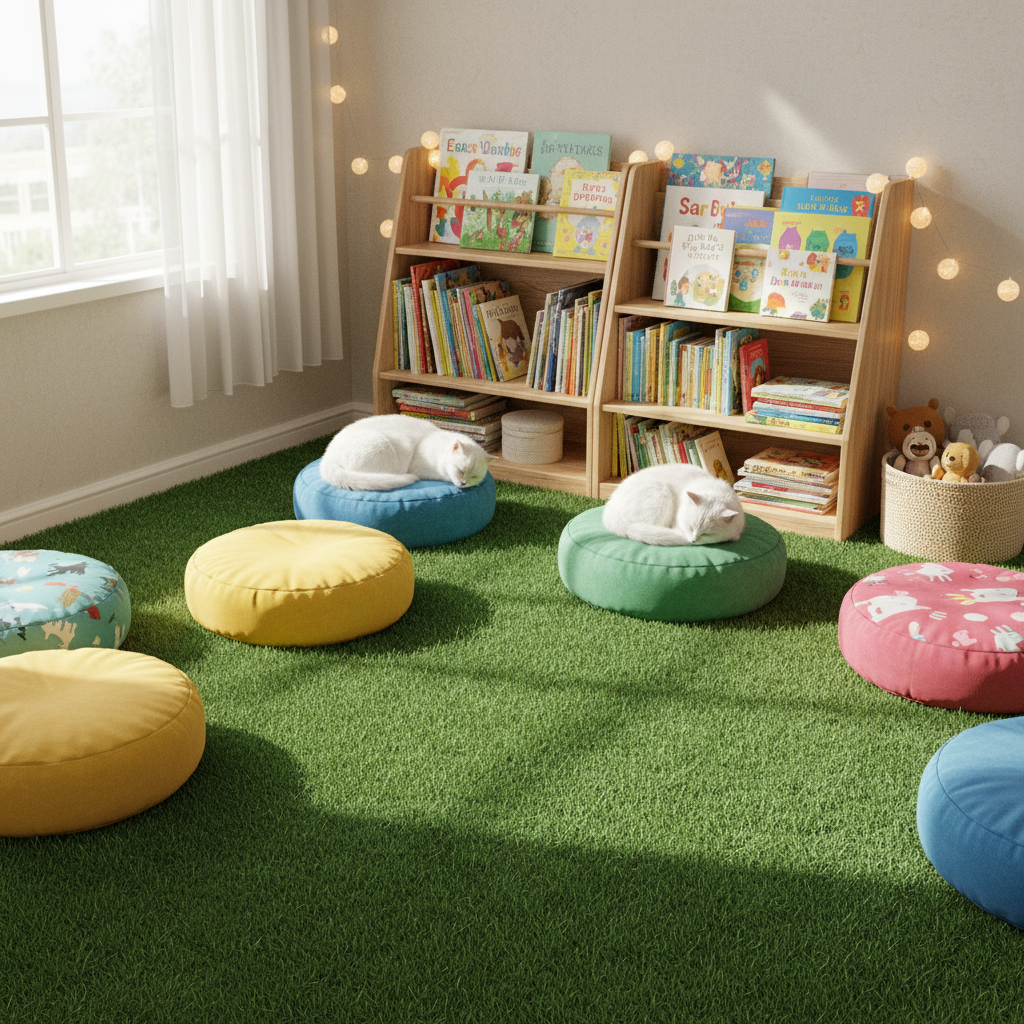
Humans have an innate connection to nature, a concept known as biophilia. Introducing elements like artificial grass rugs helps to bridge the gap between indoor confinement and the great outdoors. This natural aesthetic can reduce stress, improve focus, and promote a sense of calm and well-being, all crucial for effective learning. A green space, even a simulated one, can make children feel more connected to the environment, encouraging imaginative play and fostering an appreciation for the natural world.
Safety First: A Soft & Non-Toxic Surface
One of the primary concerns for any children’s area is safety. Artificial grass rugs provide a soft, cushioned surface that can help absorb impact from falls, reducing the risk of bumps and bruises during play. Modern synthetic turf products are also manufactured with child-safe, non-toxic materials, free from lead and heavy metals. When selecting a rug, always look for certifications that guarantee its safety for children and pets. Good Housekeeping often provides excellent resources and reviews for child-safe home products, including flooring options, ensuring parents can make informed decisions.
Durability & Easy Maintenance: A Parent’s Dream
Kids’ learning spaces are often high-traffic zones prone to spills, crumbs, and endless creative messes. Traditional carpets can be difficult to clean and prone to wear and tear. Artificial grass rugs, however, are renowned for their durability. They are built to withstand heavy use, resist stains, and are incredibly easy to clean. A quick vacuuming or a wipe-down with a damp cloth is usually all it takes to keep them looking fresh and hygienic, allowing more time for learning and less for cleaning.
Sensory Engagement: Texture for Tactile Learners
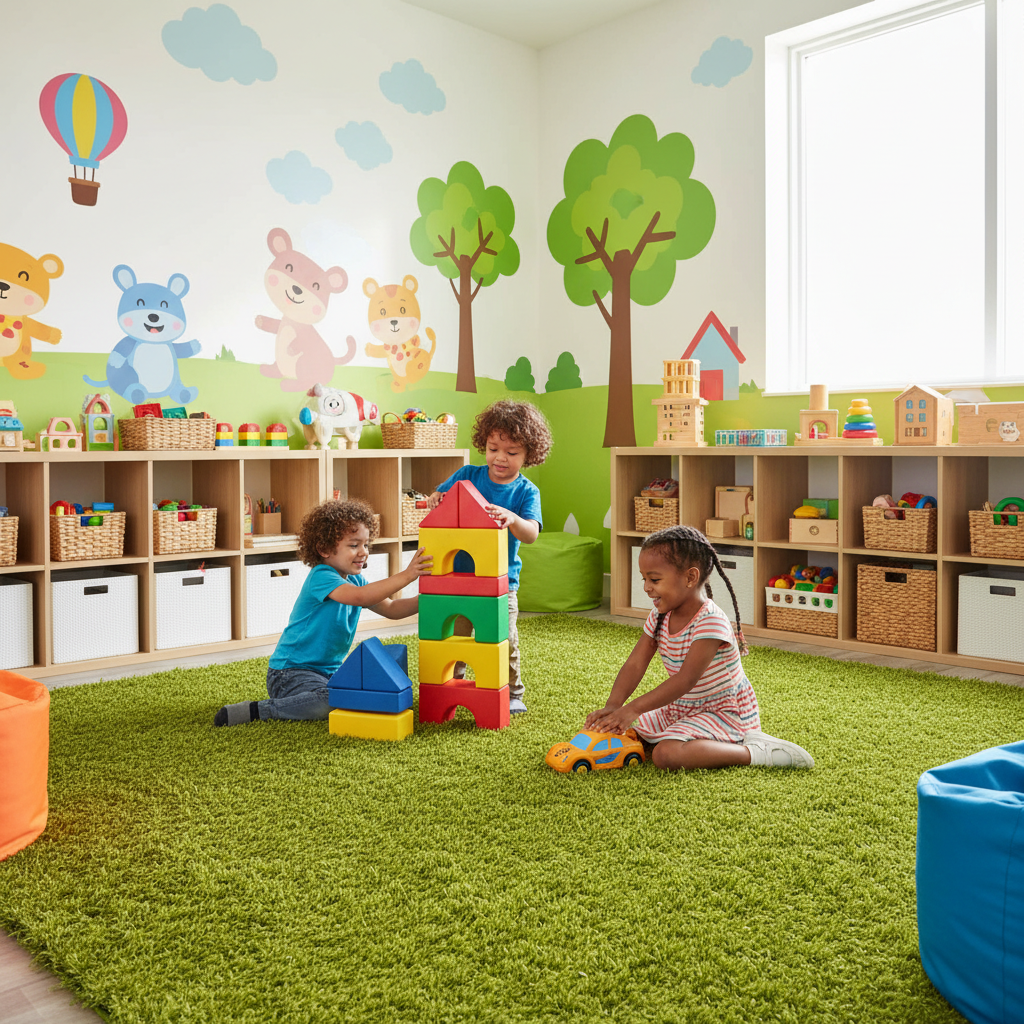
Children learn through all their senses. The unique texture of artificial grass provides valuable tactile input, stimulating bare feet and hands. This sensory engagement can be particularly beneficial for sensory seekers or children who thrive on tactile exploration. It adds another layer of interaction to the learning environment, encouraging children to touch, feel, and explore their surroundings.
Versatility & Aesthetics: Beyond the Backyard
Gone are the days when artificial turf looked obviously fake. Today’s synthetic grass comes in various pile heights, shades of green, and even multi-toned strands, creating a remarkably realistic appearance. This aesthetic versatility allows it to seamlessly integrate into various decor styles, from whimsical playrooms to minimalist Montessori spaces. It provides a consistent, vibrant backdrop that can define zones, add warmth, and infuse a cheerful, outdoorsy vibe into any indoor space.
Creative Artificial Grass Rug Ideas for Different Learning Zones
The beauty of artificial grass rugs lies in their adaptability. They can be cut to fit any shape or size, making them perfect for defining distinct areas within a larger room or creating bespoke learning nooks.
Reading Nooks & Storytime Corners
Transform a dull corner into an enchanting reading oasis. Lay down a soft, plush artificial grass rug, add some comfortable floor cushions or beanbags, and surround it with shelves stocked with books. The green rug creates a tranquil, inviting space that feels like a secret garden, encouraging children to curl up with a good book and get lost in stories. It’s an ideal setting for quiet contemplation and imaginative journeys.
Interactive Play Areas
Designate a dedicated play zone with an artificial grass rug as its foundation. This area can become a miniature park for toy animals, a small soccer field for plush ball games, or a construction site for blocks and trucks. The texture of the grass enhances the play experience, making it feel more realistic and engaging. Combine it with educational toys, building sets, and imaginative props to encourage open-ended play and problem-solving skills.
Art & Craft Zones
For budding artists, an artificial grass rug can be a surprisingly practical choice for an art and craft area. While it might seem counterintuitive, many modern rugs are stain-resistant, and spills can often be wiped away easily. The green backdrop can inspire nature-themed art projects, and the soft surface provides comfort during long creative sessions. Just be sure to place a protective mat directly under the easel or craft table for heavy-duty projects involving paint or glue.
Sensory Paths & Movement Zones
Create a dynamic sensory path by combining sections of artificial grass with other textured mats (e.g., smooth foam, bumpy rubber). This provides an engaging walkway for children to explore different sensations underfoot, enhancing proprioception and tactile awareness. For movement zones, the soft, non-slip surface is perfect for yoga stretches, active games, or even a mini-obstacle course, encouraging gross motor skill development.
Outdoor & Balcony Learning Areas
If you have access to a balcony, patio, or a small backyard, an artificial grass rug can extend indoor learning outdoors. Create an open-air classroom or a nature exploration station where children can engage in scientific experiments, observe insects, or simply enjoy fresh air while reading. The rug makes the hard ground more comfortable and inviting, defining the learning space and encouraging outdoor interaction.
Classroom & Homeschool Environments
In larger classroom settings or dedicated homeschool rooms, artificial grass rugs can be used to delineate different learning stations. A green rug might define the “nature corner” for science experiments, while another small patch could mark the “calm down zone.” They add visual interest, reduce ambient noise, and provide flexible seating options, allowing children to spread out comfortably on the floor for group activities or individual work.
Choosing the Right Artificial Grass Rug for Your Space
Not all artificial grass rugs are created equal. When selecting one for a children’s learning space, several factors should be considered to ensure comfort, safety, and longevity.
Pile Height & Density: Comfort vs. Durability
Pile height refers to the length of the grass blades. Taller piles (e.g., 30-40mm) offer a softer, more plush feel, ideal for reading nooks and lounging areas where comfort is key. Shorter piles (e.g., 10-20mm) are more durable, easier to clean, and better suited for high-traffic play areas or under furniture. Density refers to how closely packed the blades are; a denser rug will generally feel softer and more luxurious.
Material & Safety Certifications: Non-toxic is Key
Always prioritize rugs made from child-safe materials. Look for products that are explicitly labeled as lead-free, non-toxic, and free from harmful chemicals. Certifications like OEKO-TEX Standard 100 or adherence to relevant safety standards (e.g., EN71-3 for toys) provide assurance. Most quality artificial grasses are made from polyethylene or polypropylene, which are generally safe. Ensure the backing material is also non-toxic and doesn’t off-gas harmful VOCs.
Drainage & Backing: Indoor vs. Outdoor Considerations
For indoor use, good drainage isn’t as critical, but a non-slip backing is essential to prevent accidents. Look for rubber or latex backings that grip the floor. If you plan to use the rug outdoors or in areas where spills are common, a permeable backing with drainage holes will prevent water from pooling and mildew from forming. This also makes cleaning much easier.
Size & Shape: Customization Options
Artificial grass can often be purchased in rolls and cut to custom sizes and shapes, allowing you to perfectly fit your space. Whether you need a large area rug, a runner, or a whimsical shape like a cloud or a leaf, customization is usually possible. Measure your space carefully and consider how the rug will define the area.
Color & Tone: Natural Green vs. Vibrant Hues
While most artificial grass comes in various shades of green to mimic natural turf, some manufacturers offer brighter, more playful colors like blue, pink, or yellow. A natural green provides a calming, biophilic effect, while a vibrant hue can add a fun, whimsical touch. Consider the overall aesthetic of the learning space and the desired mood when making your color choice.
Installation & Maintenance Tips
Getting your artificial grass rug set up and keeping it clean is straightforward, ensuring a long-lasting and hygienic learning environment.
Prepping the Surface
Before laying down your rug, ensure the underlying surface is clean, dry, and free of debris. For indoor use on hard floors, an anti-slip underlay is highly recommended, especially for larger rugs or high-traffic areas, to prevent the rug from shifting and causing trip hazards.
Securing the Rug
For smaller rugs, their weight and an anti-slip backing might be sufficient. For larger rugs or high-activity zones, consider using double-sided rug tape or a non-toxic adhesive specifically designed for artificial grass to secure the edges and corners. This prevents curling and ensures a flat, safe surface.
Regular Cleaning for Hygiene
Regular maintenance is key. For daily upkeep, a quick vacuuming will remove dust, crumbs, and loose debris. For areas prone to higher traffic or outdoor use, a gentle hose-down (if the backing allows for drainage) followed by brushing the pile back up can keep it looking fresh. A soft-bristled broom or a rake designed for artificial turf can help maintain the upright appearance of the blades.
Addressing Spills & Stains
For liquid spills, blot immediately with a clean cloth. For tougher stains (e.g., paint, marker), a mild soap solution and water can usually do the trick. Avoid harsh chemicals, as they can damage the fibers or backing. Always test any cleaning solution on an inconspicuous area first. For stubborn stains, specialized artificial turf cleaners are available.
Longevity Tips
To extend the life of your artificial grass rug, rotate it periodically if it’s in a high-traffic area to distribute wear evenly. If used outdoors, protect it from prolonged exposure to extreme direct sunlight or harsh weather conditions when not in use, if possible. Regularly fluffing the pile will also help maintain its natural appearance and prevent matting.
Elevating the Green Theme: Complementary Decor & Accessories
Once your artificial grass rug is in place, you can further enhance the learning space with complementary decor that reinforces the natural, vibrant theme.
Nature-Inspired Furniture & Storage
Opt for furniture made from natural materials like light wood, bamboo, or wicker. Storage solutions in muted greens, browns, or whites will blend seamlessly. Consider low-profile shelving or open bins that allow easy access for children.
Botanical Wall Art & Murals
Adorn walls with illustrations of plants, animals, or whimsical outdoor scenes. A simple mural depicting trees, clouds, or a garden path can extend the green theme visually and spark imagination. Decals of leaves, flowers, or friendly forest creatures are also excellent choices.
Textiles: Pillows, Throws, Curtains
Layer the space with soft textiles in coordinating colors. Pillows shaped like leaves or flowers, throws in earthy tones, or curtains with subtle botanical prints can add comfort and warmth, enhancing the overall cozy atmosphere of the learning zone.
Educational Elements: Alphabet, Number Games
Integrate learning by adding alphabet letters or number shapes cut from felt or foam directly onto the rug, or place soft educational mats that complement the green theme. These elements can turn the floor itself into an interactive learning tool, promoting literacy and numeracy in a fun, tactile way.
Lighting: Soft & Natural
Good lighting is crucial. Maximize natural light where possible. Supplement with soft, warm artificial lighting through lamps with natural material shades (e.g., linen, wood) or string lights for a magical, enchanted garden feel. Avoid harsh overhead lighting that can create an uncomfortable glare.
Frequently Asked Questions
Is artificial grass safe for kids?
Yes, modern artificial grass products designed for indoor use or play areas are typically manufactured with child-safe, non-toxic materials, free from lead and other heavy metals. Always look for certifications and ensure the product is explicitly stated as safe for children.
How do I clean an artificial grass rug?
Regular cleaning involves vacuuming to remove debris. For spills, blot immediately and use a mild soap solution with water for tougher stains. A soft brush or rake can help fluff up the pile. For outdoor use, a gentle hose-down is effective, ensuring good drainage.
Can artificial grass rugs be used outdoors?
Absolutely! Many artificial grass rugs are designed for both indoor and outdoor use. For outdoor applications, ensure the rug has proper UV protection to prevent fading and a drainage-friendly backing to prevent water pooling.
Are there different types of artificial grass for rugs?
Yes, artificial grass comes in various pile heights, densities, and shades of green. Taller piles offer more softness, while shorter piles are more durable. You can also find multi-toned blades for a more realistic look or even brightly colored options for whimsical spaces.
Does it get hot in the sun?
If used outdoors in direct sunlight, artificial grass can absorb heat and get warm, similar to pavement. However, it typically cools down faster than natural surfaces. For indoor use, this is generally not an issue. If using outdoors, consider placing it in a shaded area during peak sun hours.
Conclusion
Artificial grass rugs offer a refreshing and innovative approach to designing children’s learning spaces. Their unique combination of aesthetic appeal, sensory benefits, safety features, and ease of maintenance makes them an ideal choice for creating engaging, comfortable, and inspiring environments. By embracing these green ideas, you can transform any room into a vibrant, nature-inspired haven where children can play, learn, and grow, fostering creativity and a lifelong love for discovery. Imagine the joy and wonder a little patch of green can bring to your child’s world!